
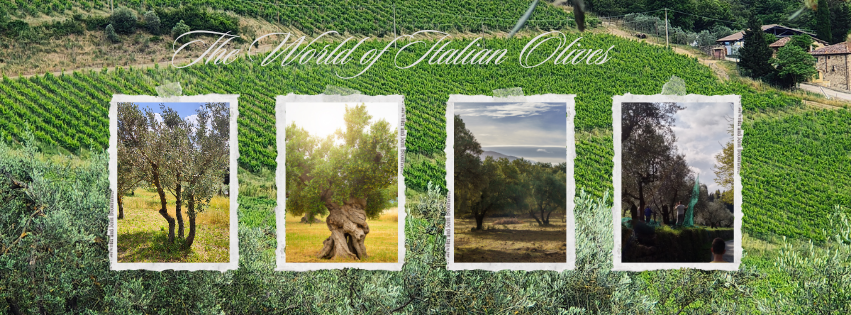
When you think of Italy, it’s easy to picture sun-drenched hillsides, rows of vineyards, and ancient olive trees standing proudly in the Mediterranean light. But what many don’t realize is that Italy is home to one of the richest biodiversities of olive varieties in the world.
With over 538 cultivated olive cultivars, Italy boasts around 42% of all known olive varieties globally — surpassing even Spain and Greece.
Among the most famous names are Frantoio, Nocellara, and Taggiasca — but that’s just the beginning. The world of Italian olives is far deeper and more diverse than you might imagine.
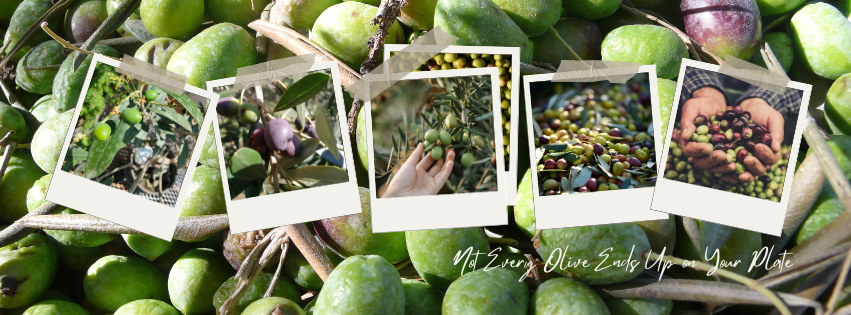
Not Every Olive Ends Up on Your Plate
Most olives aren’t suitable to eat raw — they’re far too bitter. They require special curing processes to make them enjoyable.
However, some unique varieties are perfect for the table: delicious in salads or as part of a classic Italian antipasto platter.
The majority of cultivars, though, are grown for oil production — and each variety yields a different flavor profile, aroma, and intensity.
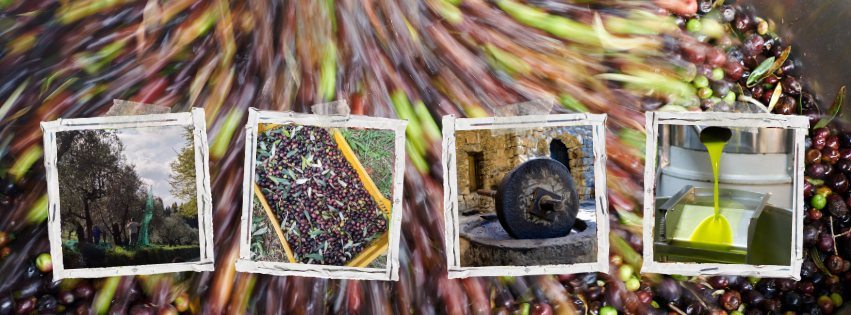
The oil is extracted using the percolation method, a gentle technique that preserves the full quality of the olive paste. This is how true extra virgin olive oil is born.
Tuscan Treasures – Moraiolo, Frantoio & Olivastra
Tuscany is especially rich in premium olive varieties. At Toscan Olive Garden, we cultivate several of them — each bringing its own personality and flavor:
- Frantoio – One of the most iconic Tuscan cultivars, known for its balanced, slightly peppery oil.
- Moraiolo – A smaller olive, but rich in intensity and antioxidants, producing robust and complex oils.
- Leccino – Softer and milder in taste, ideal for more delicate dishes.
Everyone has a favorite. But some varieties are also known for their high oil yield, making them more efficient for production:
- Leccino
- Leccio del Corno
- Carolea
Of course, everything depends on climate and timing. Hot, dry seasons reduce yields, and the moment of harvest significantly impacts oil content: the riper the olive, the more oil it gives.
On average, one olive tree produces 30–70 kg of olives annually. It takes 5–7 kg of olives to make just 1 liter of extra virgin olive oil.
Green or Black? It’s All About Ripeness
Olives start out green because of chlorophyll. As they ripen, they turn darker, eventually becoming black. This transformation is known as veraison – the color change phase.
So, green or black isn’t a different type — just a different ripening stage of the same fruit.
The True Secret of Italian Olive Oil: Diversity
There’s no such thing as the “best” Italian olive. What makes Italian extra virgin olive oil so globally prized is its breathtaking variety.
This is why Italian oils are so diverse — some are spicy, others fruity or delicate, others bold and grassy.
Every drop is more than just an ingredient. It’s a taste of Italy’s land, heritage, and soul.
Taste Tuscany with Toscan Olive Garden
Discover the essence of Tuscan olives at Toscan Olive Garden — where every drop of oil captures nature, time, and the heart of Italy.
And if you want to truly experience this magic, you can rent your own olive tree with us. You’ll not only enjoy the freshest extra virgin olive oil, but also have your own personal piece of Tuscany — a unique experience that comes back to you with every harvest, every season.
🍃 Live the Tuscan lifestyle — even from home.